
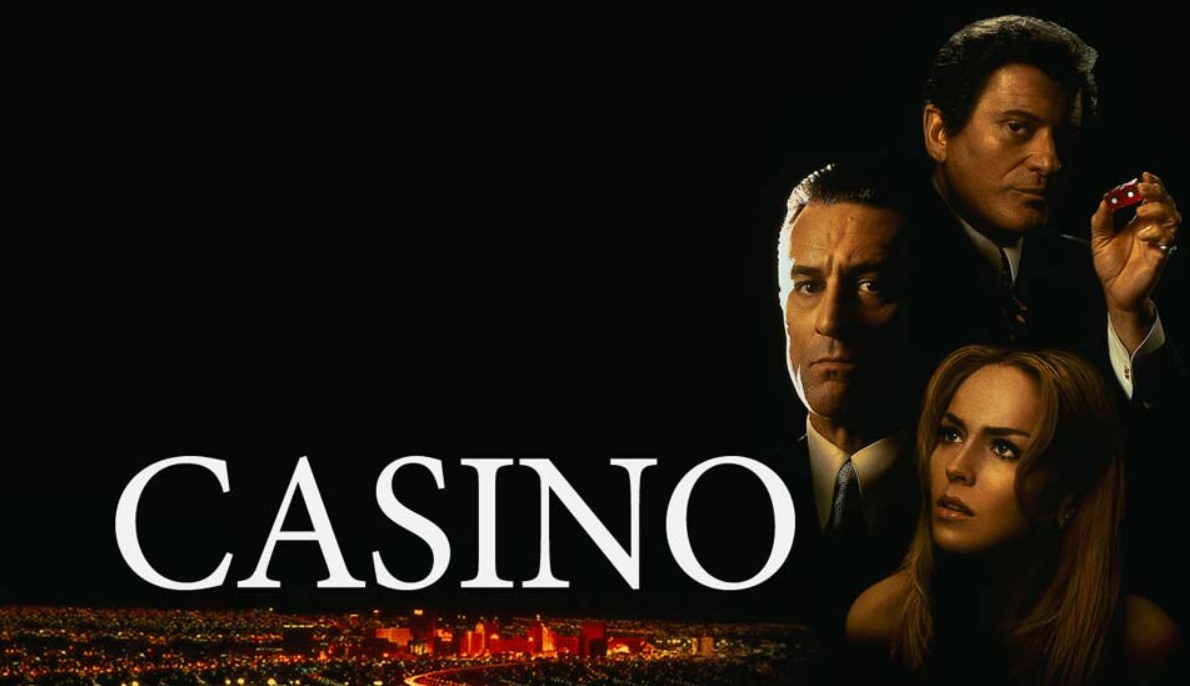

In modern cinema, a casino is no longer just a backdrop — it often functions as a full-fledged character that shapes the story, influences decisions, and controls the emotional tone. Much like today’s digital platforms (for example, experiences built around tools like Mostbet apk), the environment itself becomes part of the interaction, guiding how users — or viewers — feel and behave.
More Than a Location
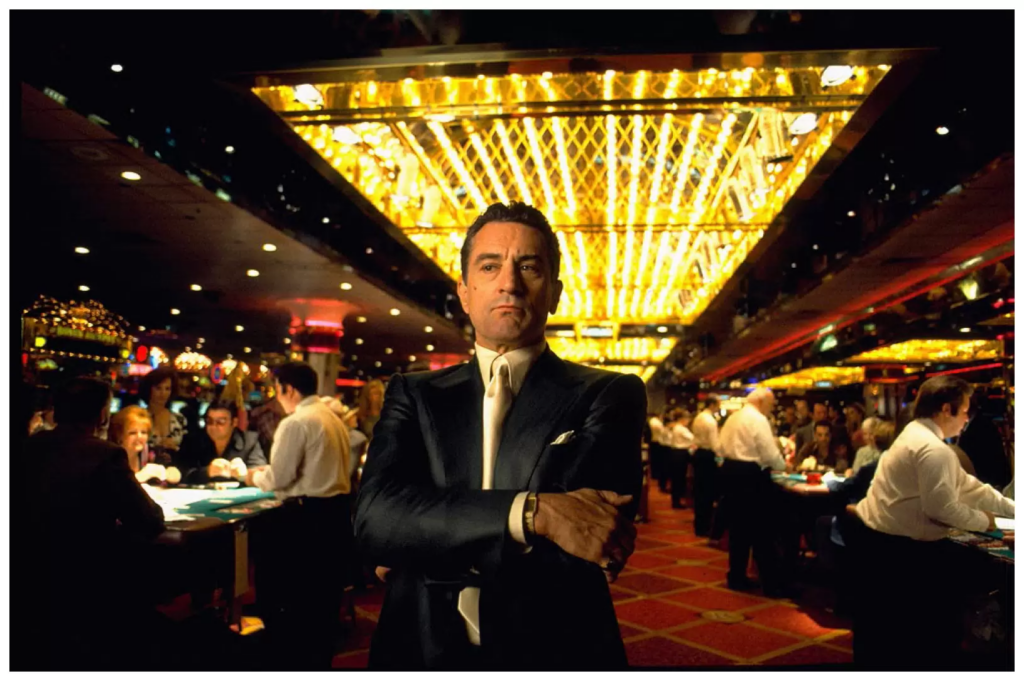
In many films, casinos are not passive spaces. They actively influence the narrative. Lighting, sound design, layout, and crowd behavior all work together to create tension and immersion.
Take Casino Royale — the casino scenes are meticulously designed to feel controlled, elegant, and dangerous at the same time. Every detail reinforces the psychological duel happening at the table.
The environment doesn’t just host the action — it amplifies it.
Architecture of Tension
Casinos are designed to keep people engaged, and films replicate this effect visually.
Common techniques include:
- low lighting with focused highlights on tables
- constant background noise (chips, voices, music)
- labyrinth-like layouts that feel endless
In Ocean’s Eleven, the casino becomes a playground of movement and precision. The camera flows through the space, mirroring the complexity of the heist itself.
The result is a setting that feels alive — constantly shifting, always active.
Sound and Sensory Overload
Sound plays a crucial role in turning casinos into “characters.”
Slot machines ringing, chips clacking, dealers calling bets — these elements create a rhythm that drives the scene forward.
In films, this sensory layering:
- builds suspense
- increases emotional intensity
- immerses the viewer
The audience doesn’t just watch the casino — they experience it.
Control vs Chaos
One of the most interesting aspects of casino environments in film is the balance between order and unpredictability.
On the surface, everything is structured:
- rules are clear
- systems are monitored
- behavior is regulated
But underneath, chaos is always present — driven by risk, emotion, and human decision-making.
This duality is especially visible in Casino, where the polished exterior hides a volatile and often dangerous reality.
Visual Identity and Style
Each casino in film has its own personality.
Some feel:
- luxurious and controlled
- dark and underground
- chaotic and overwhelming
Directors use color, camera movement, and composition to define these identities. Warm gold tones suggest wealth and comfort, while darker palettes hint at danger and secrecy.
This is why casinos are so effective on screen — they can instantly communicate mood without dialogue.
Why the Casino Works as a Character
A strong cinematic “character” needs to influence the story — and casinos do exactly that.
They:
- shape character decisions
- create conflict
- raise the stakes naturally
Every bet, every glance, every sound contributes to the narrative.
In many ways, the casino becomes an invisible force — pushing characters toward risk, ambition, or downfall.
The Evolution of the Experience
While films continue to focus on physical casinos, real-world experiences have expanded into digital formats. Modern platforms recreate many of the same elements — interface design, sound cues, and visual feedback — to build immersion.
This evolution shows that the idea of a “casino as a character” isn’t limited to movies. It exists wherever the environment actively shapes the experience.
Conclusion
Casinos in film have evolved far beyond simple settings. They are now carefully constructed environments that behave like characters — influencing mood, tension, and storytelling.
Whether it’s the refined intensity of Casino Royale or the dynamic complexity of Ocean’s Eleven, the casino remains one of the most powerful tools in cinematic storytelling.
And as both film and technology continue to evolve, this “living environment” concept will only become more important — on screen and beyond.